Sustainability
Living Landscape: How Suffolk is Building One Beverly Hills for Biophilia and Efficiency
Cliff Page
November 10, 2025
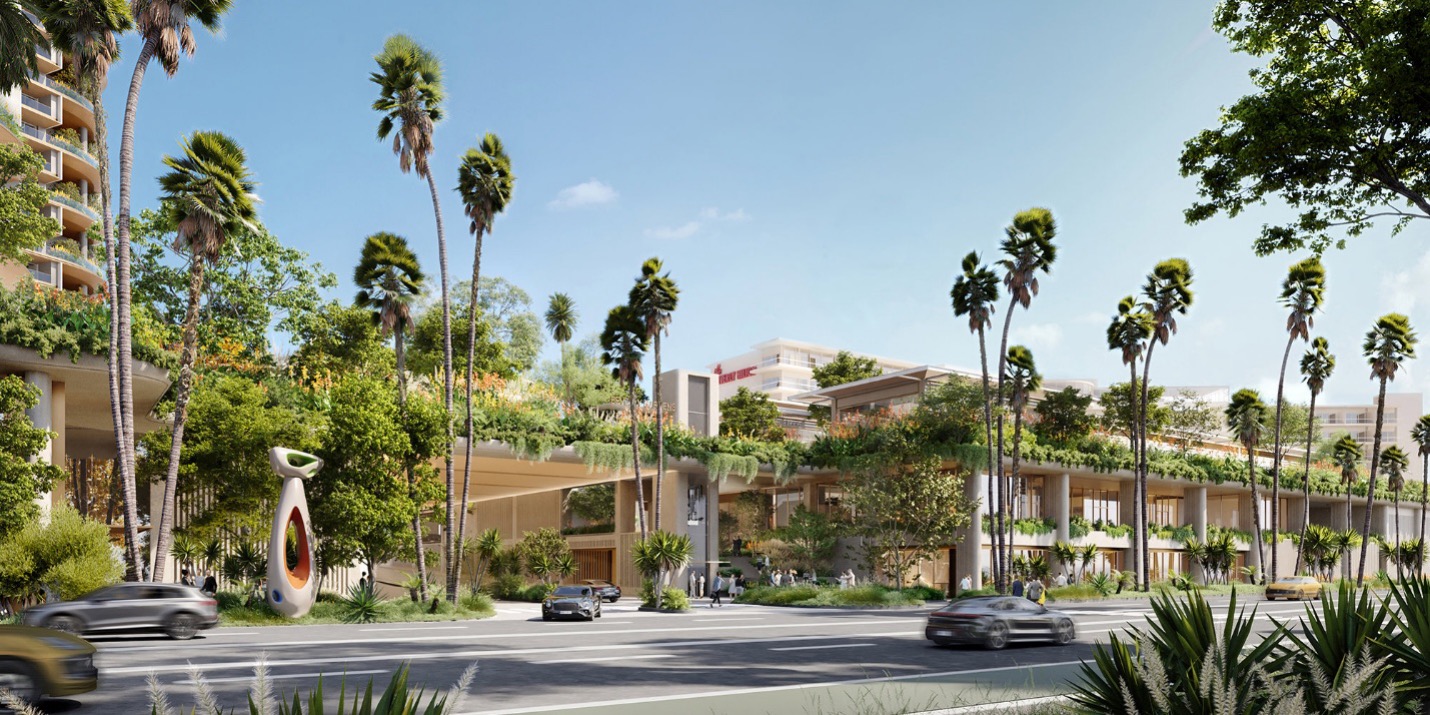
Billed as a new “green gateway” to Beverly Hills, One Beverly Hills is a 17.5-acre mixed-use district organized around 10 acres of botanical gardens - a landscape-first plan by Foster + Partners and RIOS that weaves nature, wellness, and efficiency into every block.
Nearly 4.5 acres of those gardens will be open to the public (with an additional 5.5 acres for hotel guests and residents), positioning the project as civic green space in addition to the other amenities for the property’s users.
Suffolk’s role
Suffolk is leading preconstruction and construction of the first Aman-branded residential tower, part of a trio at the development that also includes an Aman hotel and a second Aman residence. Suffolk’s scope involves coordinating and building this high-finish tower within a complex, garden-dominated master plan.
Biophilic urbanism at district scale
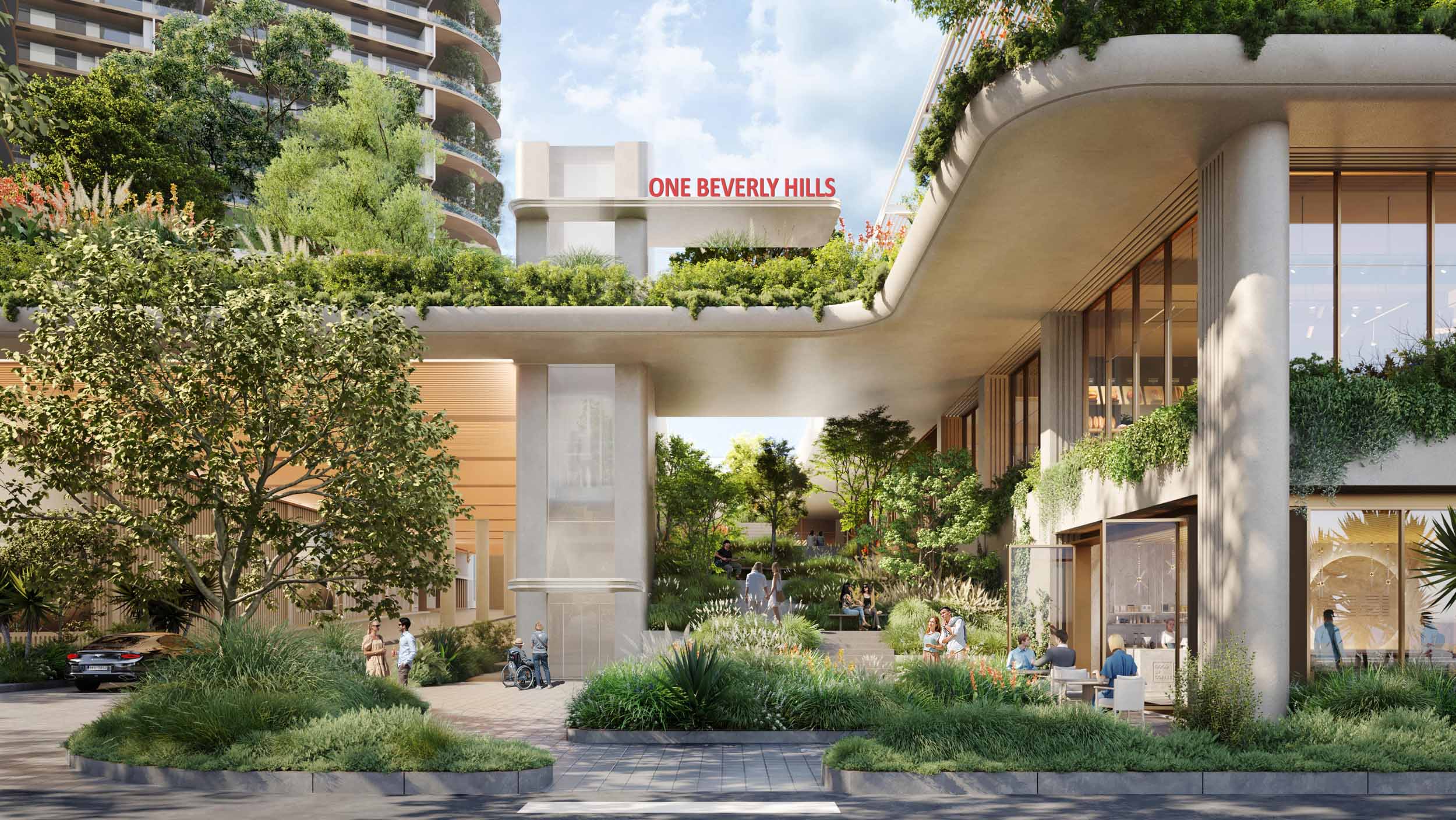
The master plan restores the site’s horticultural legacy with about 200 native and adaptive species and more than 500 new trees, creating shade, habitat and pollinator corridors while softening heat-island effects along Wilshire and Santa Monica Boulevards. Trails, bike connections, and elevated garden walks prioritize people over vehicles and stitch together the Beverly Hilton, Waldorf Astoria and new Aman components.
Water is an underpinning component of the biophilic strategy. The gardens are designed to be irrigated with harvested rainwater and recycled graywater, targeting 100 percent non-potable irrigation and “millions of gallons” in annual savings — an essential resilience move for Southern California’s drought cycles.
Efficient by design: Systems, envelope, and controls
The development targets leading certifications – LEED Gold minimum and WELL – through a package of efficient envelopes, adaptive building controls, advanced technologies, and circadian LED lighting to align energy use with occupant well-being. Design partners also optimized daylight and ventilation and high-grade filtration for indoor air quality.
Beyond building systems, the district infrastructure is engineered for resisting future shocks. Advanced stormwater management, recycled-water networks, and fire-resistant materials were integral from the outset; developers report more than $200 million invested in sustainability and resilience, including resilient infrastructure, reclaimed water systems, advanced stormwater management and smart irrigation technology.
A garden that works as infrastructure
One Beverly’s design is landscape as utility. The nine distinct Southern California ecologies curated by RIOS— oak ridges, meadows, coastal bluffs, and more — function as habitat and living environmental controls. Shade canopies, water features, and planting palettes modulate microclimate for outdoor comfort and reduce cooling demand in adjacent buildings, while public access turns passive green spaces into everyday well-being infrastructure.
Why it matters
Too often, “green” amenities become ornamental, and biophilic design feels out of reach for most project teams, One Beverly Hills bucks the trends and treats ecology and efficiency as primary organizing structure. The project offers a nature-inspired framework that drives water, energy, and comfort outcomes, along with a construction program aligned to deliver it.