Why Every Detail Matters When We Build Vocational Schools
Matteo Batista
August 28, 2026
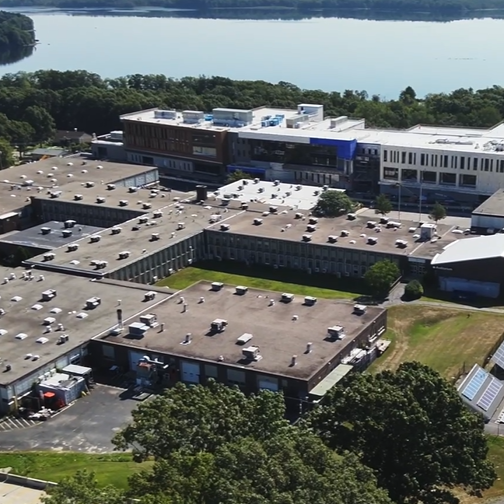
It’s no secret that demand for a vocational education is soaring in Massachusetts. Here are three statistics that shine a light on why:
- As of December 2025, between 5,000 and 10,000 students were on waiting lists for vocational schools across the state. The challenge is so great that in fall 2026, Massachusetts will require oversubscribed technical schools to use a lottery system for admissions.
- For every five people who retire from the construction industry, there’s only one new person coming in.
- A 2026 poll found that 95.6 percent of Massachusetts adults support expanding vocational-technical high school capacity.
That last statistic was especially amazing to me. Usually you can’t get 90% of folks to agree if it’s raining, but thanks to community support and state funding from the Massachusetts School Building Authority (MSBA), vocational schools are finally starting to update their facilities to meet demand. As Suffolk manages these projects, including ongoing projects at Diman Regional Vocational Technical High School and South Shore Vocational Technical High School, we want to go beyond just opening the building on time. We see every aspect of the project as an opportunity to inspire future builders, build community and create strong pathways into our industry.
To bring that philosophy to life, we’ve hosted numerous tours with Diman students at our jobsite, and even extended the invite to students from other vocational schools to experience school construction up close. Seeing professional electricians, carpenters, plumbers, painters, and more hard at work in real time can bring classroom concepts to life for kids thinking about going into the trades after high school. Diman Superintendent-Director Brian Bentley said recently about our team, “They know we’re a school, so they’re ready to tell the students, the faculty, the staff, anybody that they can talk to: ‘This is why we’re doing what we’re doing, and this is how it’s done.’” Someday, the students on these tours might be new employees at Suffolk, and we’d love nothing more than welcoming them to the team.
Building these projects also strengthens our relationships with local trade partners. The Fall River area has a high concentration of high-performing workers and subcontractors, and we’ve been able to leverage those connections to bring the best on board for the Diman project. Knowing they can pull from a large population of their workforce that live in the area, trade partners have also been able to provide us with competitive pricing on these jobs. That makes a difference for vocational school leadership as they work to maximize every penny of their construction budget. It also means that more of the jobs from the construction project stay with local workers and their families.
But here’s what I think about most often when I’m working at these schools: what the students will see every day when they enter the building or use the workshops. Our team wants to deliver a building with craftsmanship students can learn from, a building teachers can point to and say, “That’s how it’s supposed to be done.” Every room, every outlet, every piece of the build matters, because it’s a living, breathing lesson.
To all the awaiting students, whether you’re already enrolled or you’re one of the thousands hoping for a spot: we do our jobs to the best of our abilities so you can see what construction looks like when it’s done right. Soon it will be your turn to show us what you can do.